

Future-proof Your Home & Lower Your Energy Bills
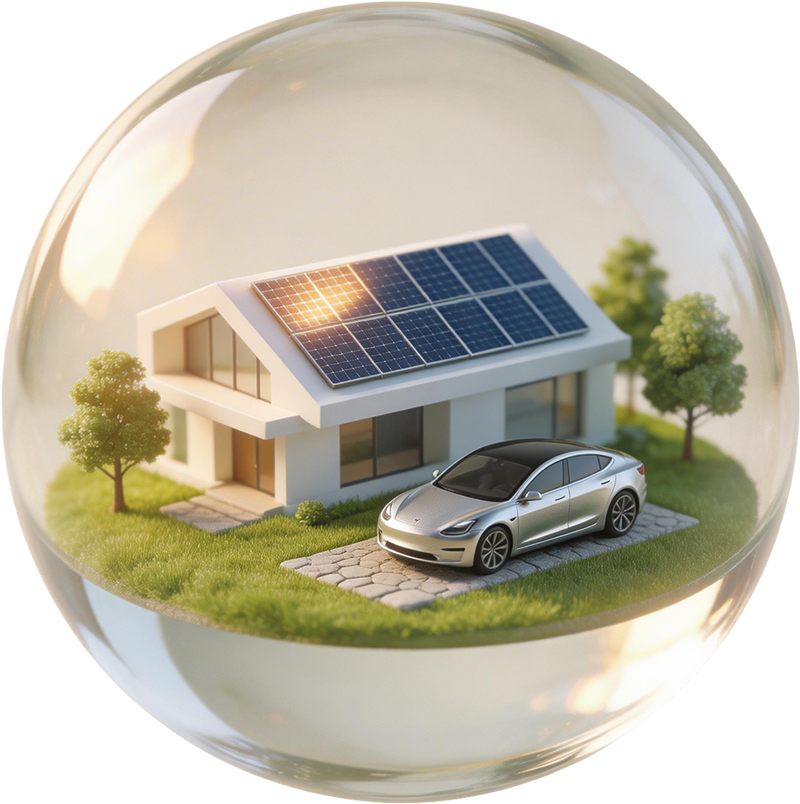
Electrifying your home is not only limited to replacing gas appliances with modern electric ones — like efficient heating, hot water, and induction cooking, but also optimising your home with solar PV and home batteries.
It’s one of the simplest ways Australian households can:
Lower Energy Bills
Prepare for an all-electric future
And you don’t have to do it all at once!

What Is Home Electrification?
Electrifying your home simply means replacing gas-powered appliances with efficient electric alternatives — like reverse-cycle heating, heat pump or electric storage hot water, and induction cooking. The result is a home that runs cleaner, safer, and may be cheaper to operate.
Many Australian households are already partly electrified. Transitioning fully can happen gradually as appliances reach the end of their life. And there may be ways to optimise your existing household appliances so they are cheaper to operate.
Complementary Energy Strategies
Use every ray of sunshine and every smart tariff to power your electric home, potentially amplifying your savings.

Pair with Rooftop Solar (PV)
Run your appliances when your solar panels are actively generating electricity, rather than exporting surplus energy at relatively low feed-in tariff rates (typically around 4–8 cents per kWh). By using your own solar power instead, you can avoid drawing electricity from the grid, which usually costs around 30–40 cents per kWh.
Add a Home Battery
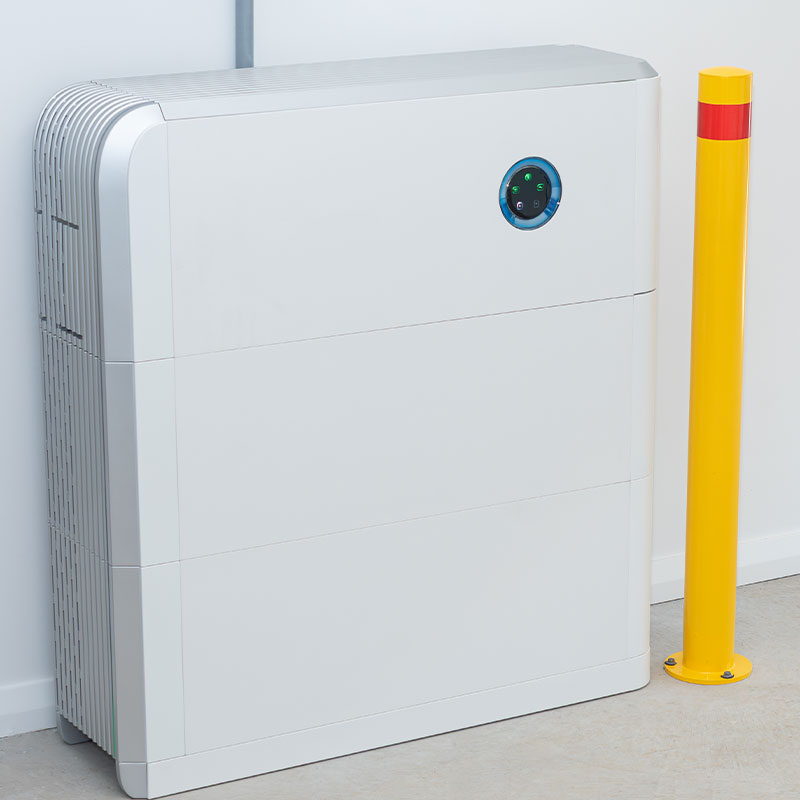
Store excess solar energy generated during the day and use it to run your home appliances from the battery instead of the grid. This is especially effective for avoiding grid electricity during peak tariff periods when energy costs are higher.
Install an Excess Power Diverter
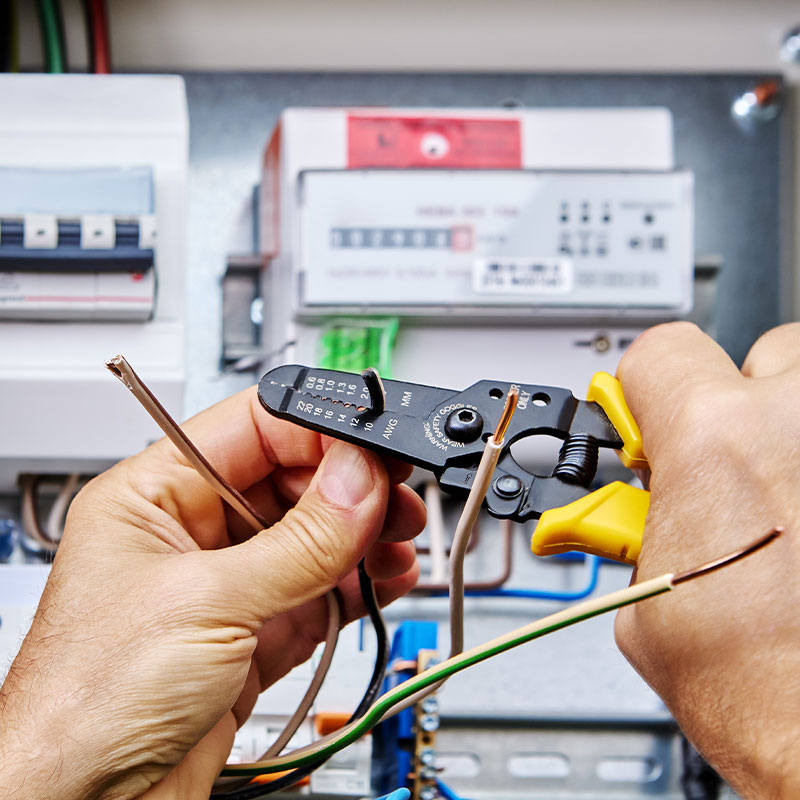
When your solar panels are generating more electricity than your home is currently using, that “extra” power normally flows back to the grid. A diverter detects this surplus in real time and redirects it to a specific appliance—most commonly an electric storage water heater.
Water Heating Savings Made Simple
Timers
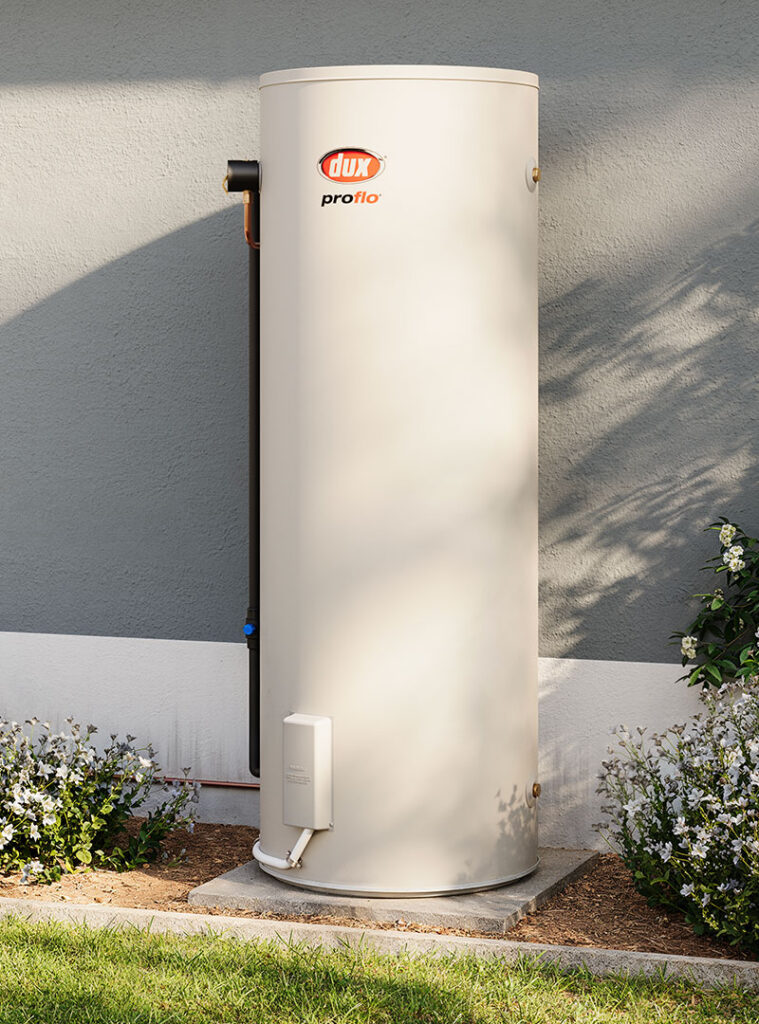
Set your water heater to heat during economical tariff periods eg like at times of excess solar PV generation (ie 10am – 3pm) or during concessional tariff periods available from some energy retailers. See Solar Sharer page for more information. Timers will typically need to be purchased and installed by a licensed electrician & can be used for electric storage water heaters. Most heat pumps have an inbuilt timer.
Off-Peak Power
Install a larger capacity water heater and connect to a dedicated ‘off-peak’ ciruit so all your water heating is completed overnight at discounted electricity rates. There’s even plans that provide additional heating during the day at small energy price premiums. Suits electric storage water heaters.
Smart Controllers
Somer heat pump water heaters feature inbuilt controllers and/or wi-fi connectivity via an app, allowing multiple timers to be set. Schedule the heat pump to heat at times of excess solar PV generation (ie 10am – 3pm) or during concessional tariff periods available from some energy retailers. See Solar Sharer page for more information.
Solar Sponge Tariff
Some providers such as AGL, Globird Energy & OVO Energy already provide free periods of electricity during specified periods of the day, e.g OVO Energy ‘Free 3 Plan’ or Globird Energy’s ‘Four4Free’ Plan. Other specific plans are available that are suited for households with solar PV & home batteries, e.g Globird Energy ‘ZEROHERO’ Plan.
Conditions apply, not available everywhere. Contact the energy retailer for availability in your area.
Hot tip: Ensure you provide adequate heating time to comply with legionella protection protocols.
Key Benefits for Electrifying Your Home
Lower Energy Bills
Electric appliances are typically more efficient than gas, e.g. like a heat pump water heater, meaning they use less energy to deliver the same results. When combined with solar PV, many households can reduce their energy bills even further and avoid ongoing gas supply charges.
More Efficient Appliances
Modern electric technologies like heat pump hot water, induction cooktops, and reverse-cycle air conditioning use energy far more efficiently while providing the same — or better — comfort and performance.
Safer Cooking and Heating
Electric appliances eliminate open flames and reduce some risks associated with gas, such as leaks or indoor air pollution.
Future-Ready Homes
Electrified homes integrate easily with solar PV, batteries, and electric vehicles, helping households adapt to Australia’s transition toward cleaner energy.
Planning Your Home Electrification
Electrifying your home doesn’t need to happen all at once. The most practical approach is to upgrade appliances gradually as they wear out or as part of a staged plan.
Typical electrification upgrades include:
Heat pump water heaters (or electric water heaters on a timer & solar sponge tariff)
Home batteries
Solar PV
Induction cooking
Reverse-cycle air conditioning for heating and cooling
Electric vehicles with V2L capability
Many households start with just one upgrade and build from there.

Government Rebates & Incentives
Electrifying your home may cost far less than expected, as federal and state rebates across Australia can provide upfront discounts on upgrades such as heat pump hot water, reverse-cycle air conditioning, solar PV, and induction cooktops, for eligible applicants. These are often applied for directly by 3rd party accredited installers. Eligibility criteria varies by state.